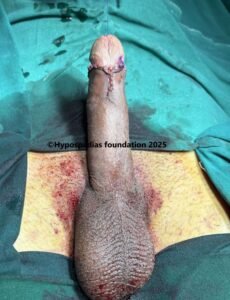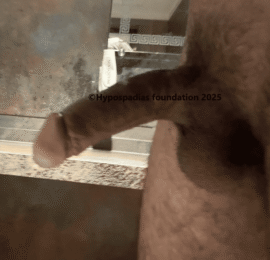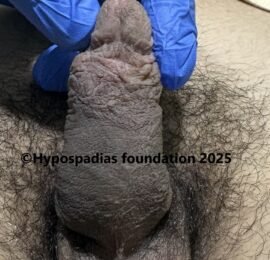
Is there an age limit for hypospadias repair surgery?

Hypospadias is a congenital condition in which the urinary opening (meatus) is located on the underside of the penis instead of at the tip. Hypospadias repair surgery is a well-established and successful procedure that can be performed in infants, children, adolescents, and adults. However, choosing the best age for hypospadias repair plays an important role in healing, recovery, and long-term outcomes.

What Is the Best Age for Hypospadias Surgery?

Most expert hypospadias surgeons recommend performing surgery between 6 and 18 months of age. Surgery before 3 years of age is considered ideal, and if someone misses this period, surgery before 8 years of age is still strongly recommended if early repair was not possible.

Hypospadias Surgery in Infants (6–18 Months)

The ideal age for hypospadias surgery is between 6 and 18 months. At this age:

  • Penile tissues are soft, elastic, and heal faster
  • Scarring is minimal due to high tissue regeneration
  • Infants are unaware of their genitalia and body image
  • There is no psychological impact or memory of surgery

Early hypospadias repair also allows normal toilet training and smooth bladder control development. Post-operative care is easier in infants, as diaper changes simplify wound care and recovery is less stressful for parents.

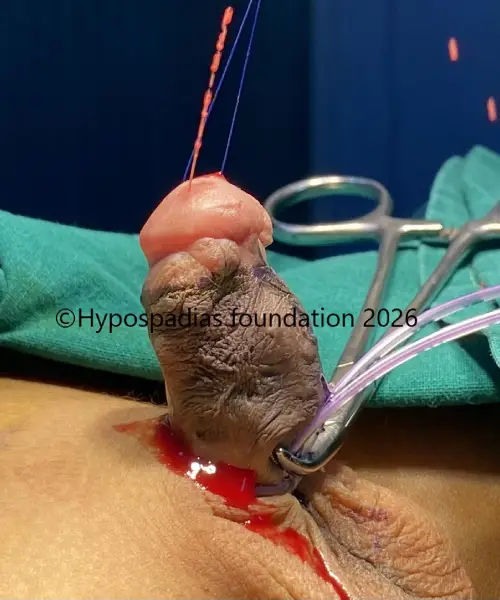
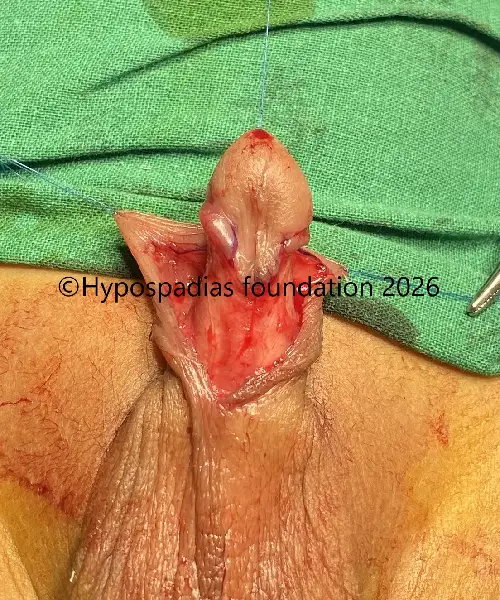
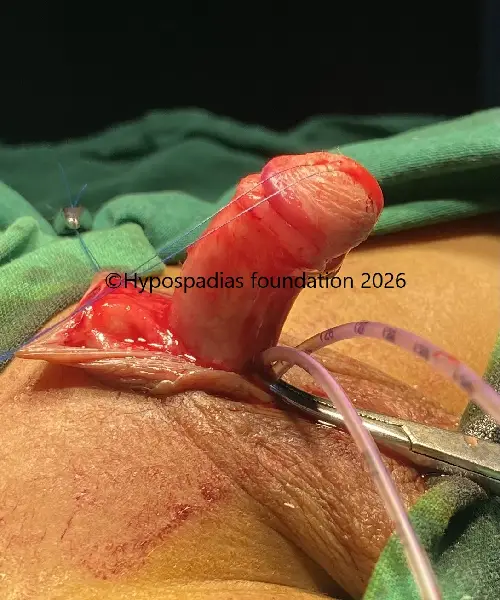
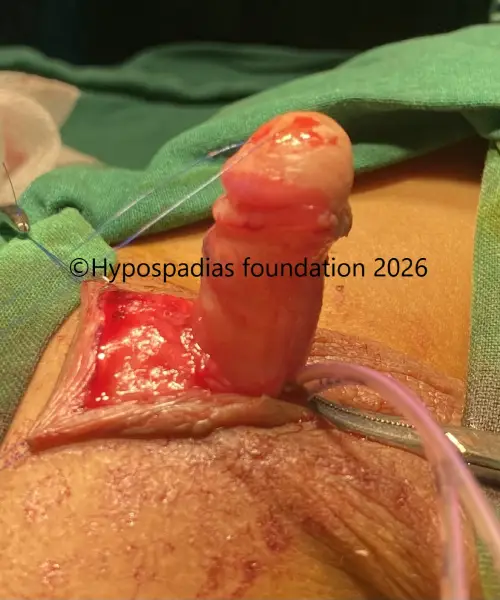
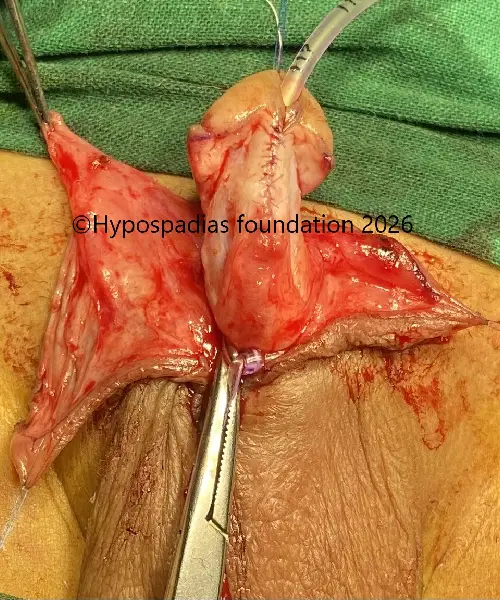
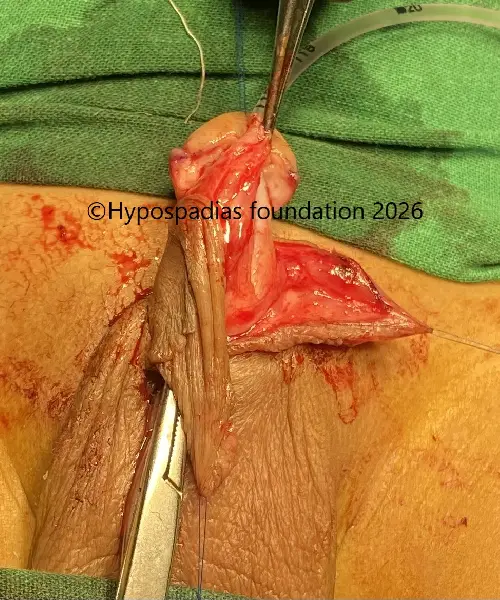
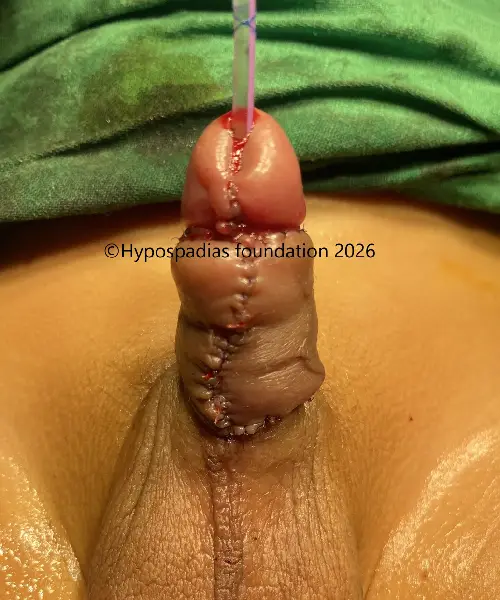
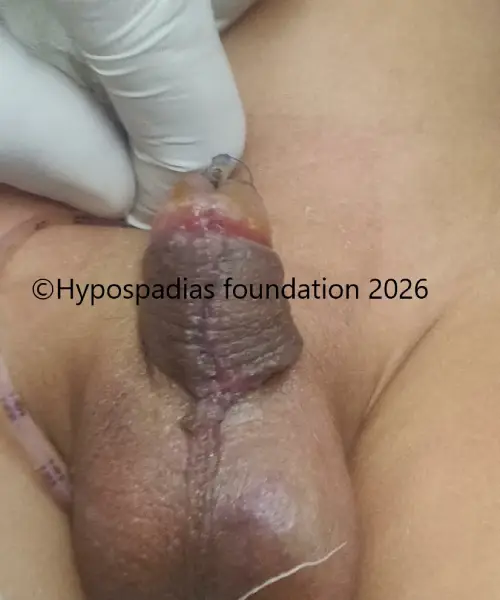
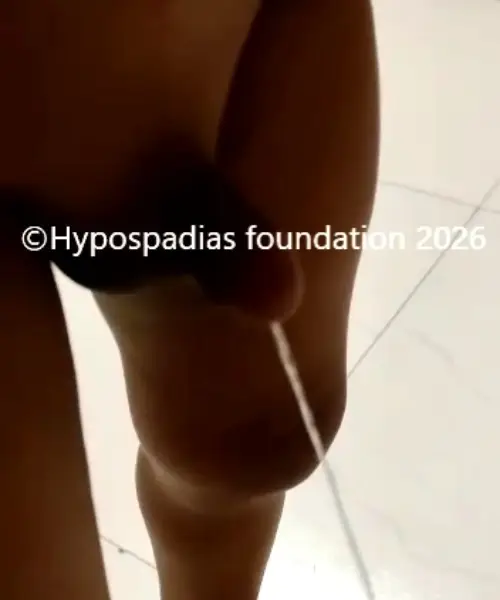
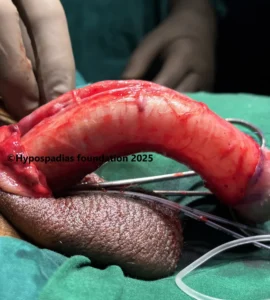
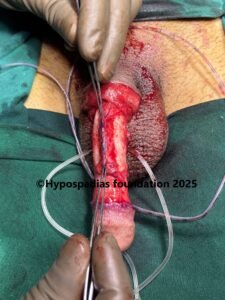
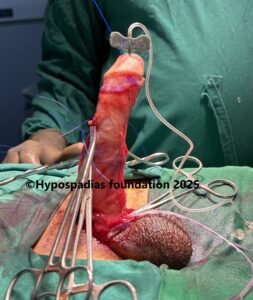
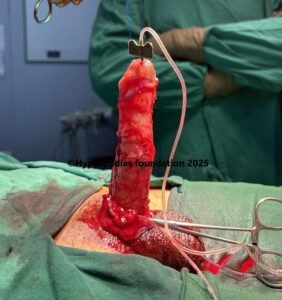
Pic 1 for blog

Hypospadias Surgery Before 3 Years of Age

If surgery cannot be done in infancy, completing hypospadias repair before 3 years of age still provides excellent results. Children recover well, healing is fast, and long-term functional and cosmetic outcomes remain very good.

Hypospadias Surgery in Older Children

Hypospadias surgery in older children is safe and effective, though recovery can be more challenging.

Older children:

  • Are more aware of their genitalia and may feel shy or anxious
  • Experience more fear and perceived pain after surgery
  • May find dressing changes difficult
  • Sometimes hold urine after catheter removal due to fear of pain

Despite these challenges, healing and success rates remain high when surgery is performed by an experienced hypospadias surgeon.

Hypospadias Surgery in Teenagers

Teenage boys with untreated or failed hypospadias often feel embarrassed and reluctant to undergo surgery. In cases of hypospadias with chordee (penile curvature), we recommend delaying surgery until penile growth is complete. Avoiding surgery during active growth may prevent interference with natural penile development

Hypospadias Surgery in Adults

Hypospadias repair in adults is possible and can be highly successful. However, recovery is slower compared to children because:

  • Adult penile skin is thicker and less elastic
  • Healing takes longer
  • Pubic hair can affect wound care
  • Night-time erections may stress sutures and increase complication risk
  • Infection issues are higher
  • Urethral and extra safety supra-pubic catheter are also needed.

Even in adulthood, good outcomes are achievable in expert hands. Adult hypospadias surgery success rates at Hypospadias Foundation India are over 95%, which are best in the world.

Is There an Age Limit for Hypospadias Surgery?

There is no upper age limit for hypospadias surgery. The success of repair depends more on the experience of the hypospadias surgeon than the age of the patient. With proper evaluation and surgical expertise, excellent results can be achieved even in adulthood.

Importance of Choosing an Expert Hypospadias Surgeon

Before planning hypospadias surgery, it is essential to consult a specialist hypospadias surgeon. An experienced surgeon will:

  • Carefully examine the child or adult
  • Assess severity, chordee, and previous surgeries
  • Recommend the best timing and surgical technique

At Hypospadias Foundation, children and adults from over 30 countries undergo hypospadias repair. The oldest successfully treated patient was a 50-year-old man with failed hypospadias repair and urethral stricture, operated without complications. This highlights the importance of choosing a specialized center for hypospadias treatment.

Dr A K Singal is a highly experienced and internationally renowned hypospadias surgeon in India, widely regarded as one of the leading experts in hypospadias repair for both children and adults. He has dedicated his professional life to the treatment of complex and failed hypospadias cases, helping patients achieve excellent functional and cosmetic outcomes.

With decades of focused experience in primary and redo hypospadias surgery, Dr Singal’s expertise has contributed to consistently high success rates in infants, older children, adolescents, and adults with hypospadias.

Dr Ashwitha Shenoy is an expert pediatric surgeon with a special interest in pediatric urology and hypospadias surgery. Her training and experience in managing hypospadias in children ensure meticulous surgical care, age-appropriate planning, and excellent long-term outcomes.

Together, Dr A K Singal and Dr Ashwitha Shenoy work as a dedicated team to provide comprehensive hypospadias treatment in India. Their combined expertise allows them to manage simple to complex hypospadias cases, including failed repairs and adult hypospadias, delivering some of the best outcomes for hypospadias surgery in India.

Contact us:

For appointment kindly contact us at the contact details given below.

MITR hospital & Hypospadias Foundation, Kharghar, Navi Mumbai, India – Tue/Saturday 4:00pm-6:00pm, Call for appointments: +91-6262840940. Or email us at hypospadiasfoundationindia@gmail.com

Contact Form for Hypospadias Foundation

Please fill all clinical details and upload pictures and clinical summaries (if available)
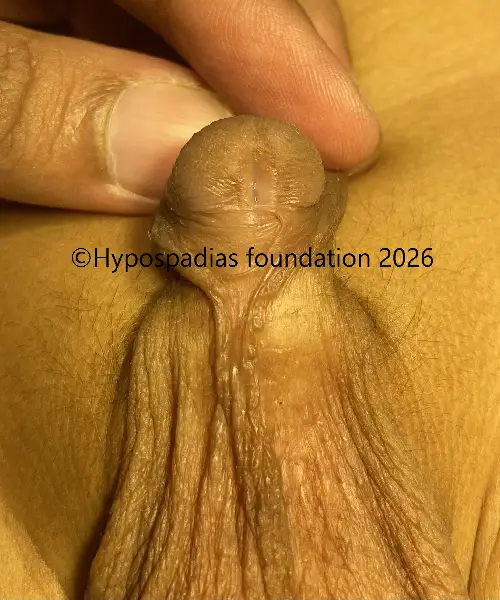
    Attach Documents (pdf | jpeg | mp4)
    (upload size upto 5mb)

    Single stage hypospadias repair in distal penile hypospadias with chordee

    Mast A.T., a one-year-old male, presented to the Hypospadias Foundation clinic with an abnormal ventral urinary opening on underside of penis and downward penile curvature. Clinical examination revealed a distal penile hypospadias, deficient ventral foreskin, and
    ventral chordee (penile curvature).

    A single-stage surgical hypospadias repair was planned, comprising of chordee correction (Orthoplasty) and urethroplasty (reconstruction of the urinary channel)


    Intraoperative Procedure

    The procedure commenced with a 5-0 Prolene stay suture on the glans for traction. Local anaesthesia (Xylocaine with adrenaline) was infiltrated at the marked incision sites. Following the initial incision and complete degloving of the penis, an artificial erection test was performed to assess the degree of curvature.

     Chordee Correction: A curvature of less than 30 degree was noted. This was corrected via Tunica Albuginea Plication (TAP) on the dorsal aspect (upper part) of the penis, opposite the site of maximum curvature. A repeat artificial erection test confirmed complete correction of the chordee.

     Urethroplasty: The glans wings were marked, incised, and widely mobilized. A midline incision was made in the urethral plate to increase its width (TIP – Tubularized Incised Plate technique). The neo-urethra was constructed in two layers:

    o Layer 1: Continuous subcuticular sutures.
    o Layer 2: Interrupted sutures.

     Waterproofing: A preputial dartos flap was raised and transposed over the urethroplasty site to provide a vascularized waterproofing layer, significantly reducing the risk of a fistula (leak).

     Completion: Glansplasty was performed to reconstruct the glans. The skin was closed in two layers using 6-0 PDS and 6-0 vicryl Rapide.


    Postoperative Outcome and Follow-up

    The repair was stented using a 7 Fr infant feeding tube, with the new meatus successfully positioned at the tip of the glans.

     Day 7: The catheter and dressings were removed. The patient demonstrated a strong, straight urinary stream with no associated pain.

     Healing: The surgical site healed by primary intention without complications (e.g., hematoma, infection, or dehiscence).

     1-Year Follow-up: The patient remains asymptomatic with excellent functional and cosmetic results.

    Pic 1: Clinical examination shows presence of chordee with meatus in the distal penile region

    Pic 2: Complete degloving done

    Fig 3: Artificial erection test shows less than 30-degree chordee which was corrected by 12’o clock dorsal tunica albuginea plication (dorsal TAP)

    Fig 4: Glans wings raised and urethroplasty done over 7Fr infant feeding tube. Right dartos flap raised and sutured over the urethroplasty with 6-0 PDS.

    Fig 5: Single stage urethroplasty with chordee correction completed

    Fig 6: At 7 days follow up after surgery

    Fig 7: At 1 year follow up after surgery, passing urine in single straight stream

    Single-stage hypospadias repair in distal penile hypospadias with chordee Single-stage hypospadias repair is the preferred surgery for distal penile hypospadias associated with mild chordee. Though the urinary opening is positioned near the glans, the reconstruction has to be done with utmost care by the hypospadias expert.Even a little bit of carelessness can lead to complications.

     Primary Technique: The Tubularized Incised Plate (TIP) urethroplasty—commonly referred to as the Snodgrass repair—is the most widely utilized method. This procedure involves a midline incision of the urethral plate to allow for tension-free tubularization, ensuring a functional and cosmetically normal neo-urethra.

     Optimal Age for Surgery: Pediatric urologists generally recommend performing this repair between 6 and 18 months of age. This "golden window" facilitates rapid tissue healing, simplifies postoperative diaper management, and minimizes the risk of long- term psychological impact on the child.


    Outcomes and Success Rates

    When performed by an expert hypospadias surgeon in a specialized center like Hypospadias Foundation India, the success rate for distal repairs exceeds 95%. However, clinical diligence is required to monitor for potential postoperative hypospadias complications.

    Functional Rationale for Early Surgical Intervention

    While distal hypospadias may appear manageable in infancy, untreated cases often lead to significant functional and psychosocial challenges as the patient matures:

    1. Backward flow of urine: If the urinary opening is located on the underside of the penis, the stream is directed backwards causing inconvenience to the boys. Boys will have difficulty in using a urinal and they cannot urinate without getting urine on their clothes or shoes.

    2. Sexual Health: Persistent chordee (ventral curvature) can lead to painful erections or Mechanical difficulties with intercourse in adulthood.

    3. Psychosocial Impact: A non-apical urinary opening can cause significant social anxiety and hygiene concerns regarding standing to void.

    Clinical Summary: Early repair of distal hypospadias with chordee is not merely cosmetic; it is a functional necessity that ensures optimal urogenital health and quality of life into adulthood.


    The Hypospadias Foundation: A Global Center of Excellence

    Located in Kharghar, Navi Mumbai, Maharashtra, the Hypospadias Foundation stands as India’s premier and best hypospadias specialty center and a globally recognized leader in hypospadias treatment.

    Why Patients Choose Our Center:
    For over 18 years, we have been a destination for both pediatric and adult patients from across India and the world. Our commitment to surgical precision and patient care is reflected in our clinical data:

     High Volume: Over 250 specialized surgeries performed annually.

     Proven Safety: A complication rate of less than 5%, significantly lower than the global average for complex reconstructions.

     Global Reach: Successfully treating international patients from more than 30 countries with diverse anatomical challenges.


    Our Expert Surgical Team

    The foundation’s success is built on the combined expertise of two of the world’s leading specialists in reconstructive urology.

    Dr A. K. Singal is a top-tier expert hypospadias surgeon and pediatric urologist who has dedicated his career to the advancement of hypospadias repair. His refined techniques have consistently achieved excellent functional and aesthetic outcomes for both children and adults, particularly in complex "redo" or failed previous surgeries. He is rated the best hypospadias surgeon in India and the world.

    Dr Ashwitha Shenoy is an expert pediatric urologist with a sub-specialty interest in pediatric urology and hypospadias. Her meticulous approach to neonatal and childhood reconstruction ensures long-term success from a young age. Together, Dr. Singal and Dr. Shenoy provide a collaborative, multidisciplinary approach that delivers the best results for hypospadias surgery in India.

    Severe penile chordee repair in an adult in a single stage surgery

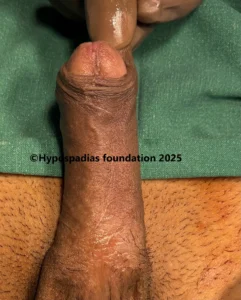
    25-year-old adult presented to the Hypospadias Foundation OPD with complaints of severe ventral curvature of the penis. There were no urinary complaints. He also that the curvature has worsened over time. There were no urinary complaints.. On examination, there was severe ventral curvature (downward bending) of the penis- the curvature was almost 90 degrees. Meatus was located on the glans and was normal in location. No plaques were felt on palpation. Ultrasound doppler of the penis was done which was normal. He was counselled for chordee repair surgery.

    The plan was to deglove the penis, examine everything once again in detail including degree of curvature, urethral calibre and then decide for a single stage or a staged chordee correction repair.

    Picture 1: Pre-operative assessment showed normal location of the meatus. Second image shows marking for degloving

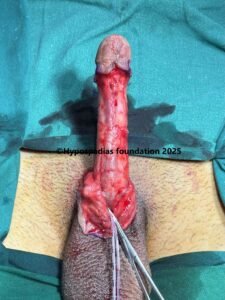
    Surgery was started by taking a stay stitch on the glans with 4-0 prolene. Marking of the degloving incision was done and local anaesthesia (lignocaine with adrenaline) was injected at the marked site. Complete degloving was done. Chordee was assessed by artificial erection test and more than 60-degree chordee was noted. Since the penile length was good and urethra was not appearing short or taut, we decided to proceed with dorsal plicationprocedure to correct the chordee.

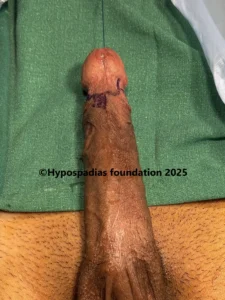
    Buck’s fascia along with neurovascular bundle was raised on the dorsal side starting laterally and upto the midline. Chordee was reassessed and exact site of curvature was marked. 24 dots (12 dots on either side) were marked. 4 dots proximal and 8 dots distal to the site of maximum curvature. Longitudinal plication sutures were placed at these sites with 4-0 prolene involving full thickness tunica albuginea. The sutures were first held tight without tying them up and chordee was reassessed and there was no chordee. Once we were sure that the chordee is fully corrected, we tied off the sutures and checked chordee again- Chordee was completely corrected by these plication sutures. Buck’s fascia was closed on either side with 6-0 PDS. Circumcision was completed and skin rearranged and closed in 2 layers with 6-0 PDS and 5-0 vicryl rapide. 12Fr silicone catheter was placed per urethra anddressing was done. Catheter was removed after 7 days. At follow up at 6 months after surgery, there was no chordee and the erection was straight.

    case42img4

    Picture 2: Complete degloving done and artificial erection test done which showed more than 60-degree chordee.

    Picture 3: Neurovascular bundle raised on both sides upto the midline. Marking done, applications sutures placed, held and artificial erection test done. No chordee noted

    Picture 4: 24 dot plications completed and circumcision done

    c42img10 (1)

    Picture 5: Good result- Straign penis at erection 6 months after surgery

    c42img11

    Picture 6: Good Cosmetic result 6 months after surgery

    Severe ventral chordee in adults: Diagnosis and management

    Chordee is characterised by the curvature of the penis, which is noticeable only during penile erection. While chordee can occur in adulthood due to Peyronie’s disease, most of the cases of chordee are present from birth (congenital). Chordee can be missed in childhood, especially if there is no hypospadias. In such cases, men present with challenges in adulthood,d such as pain during erection, difficulty in sexual intercourse and some men can also have psychological implications impacting self-esteem.

    In chordee, there is a noticeable bend in the penis during an erection, which can be downward, upward or sideways. The most common chordee type is ventral chordee, where the penis bends downwards, as in the present case. Surgical correction is the only effective method of chordee correction in adults. The goal of the chordee correction surgery is to straighten the penis and restore normal function. Chordee correction can be done by dorsal plication or a ventral lengthening procedure. The ventral lengthening procedure is done if there is a short urethra,  which contributes to the penile curvature. If the urethra is normal with good penile length, then dorsal plications are preferred.

    In the above-mentioned case, the penile length was good, and the urethra was normal, hence we proceeded with dorsal plication. In this procedur,e multiple (16 or 24) non-absorbable fine sutures are strategically placed on the convex side of the penis. These sutures are placed in pairs and in a parallel fashion to create plications in the tunica albuginea. Neurovascular bundles are carefully raised and saved from any injury before placing the plication sutures.

    Important note for adult chordee

    It is essential for adults considering chordee correction to have a thorough evaluation by a hypospadias specialist who specializes in penile reconstructive surgery. The surgeon will

    Assess the type and degree of curvature, discuss the case and recommend the most appropriate surgical technique whether plication or a staged procedure. At hypospadias foundation, we get adults and children from all over the world in search of treatment for hypospadias and chordee. We provide support and information for children, adults and their families affected by hypospadias. Dr A K Singal is a highly experienced surgeon and regarded as the best hypospadias surgeon in India and in the world. He has dedicated his life towards treating children and adults with hypospadias. His expertise in this area has helped us achieve excellent outcomes in adults and children with hypospadias.

    Dr Ashwitha Shenoy is an expert pediatric surgeon with special interest in pediatric urology and hypospadias. Dr Singal and Dr Shenoy are deeply devoted to creating awareness and helping patients get the right treatment for hypospadias be it primary, redo or adult hypospadias. Children and adults from more than 25 countries visit our hypospadias foundation in search for cure and are cured of hypospadias. Both Dr Singal and Dr Shenoy work together to give best results for hypospadias surgery in India for both children and adults.

    Does Hypospadias cause male infertility?

    For some men with hypospadias, a congenital condition where the urethral opening lies somewhere on the underside of the penis, questions about fertility can loom large. While hypospadias itself doesn’t directly impact sperm production, its associated complications can sometimes pose challenges. Hypospadias cause male infertility in certain cases due to these complications. But remember, this doesn’t mean that all men with hypospadias will necessarily be infertile. Let’s delve into the link between hypospadias and fertility, exploring potential concerns, available solutions, and fostering hope for fatherhood.

    Understanding Hypospadias:

    During fetal development, normally the urethra forms by folding of tissues from scrotum to the base of the penis to the tip of the penis. The failure of this urethral closure leads to hypospadias. The severity of hypospadias varies, with the opening appearing anywhere from the scrotum (scrotal hypospadias) to the base of the penis (penoscrotal hypospadias) to near the tip of the penis (distal hypospadias). Besides the misplaced opening, most men with hypospadias also have a downward bending of the penis during erection – called chordee. Hypospadias can cause male infertility as 5% of cases may also have an associated undescended or absent testis, which can lead to lower sperm production. Such men need to be investigated for a disorder of sex development (DSD) or intersex.

    Hypospadias and Fertility: the Possible Connections:

    In isolated hypospadias with both normal testes, the sperm production usually remains unaffected, yet certain hypospadias-related factors can influence fertility:
     Urethral location: In severe unrepaired hypospadias cases such as scrotal or perineal or penoscrotal hypospadias, ejaculation might not be able to reach the vaginal introitus, hindering fertilization.
     Penile curvature: Significant curvature can make intercourse physically difficult. Sometimes erection can also be painful when there is significant chordee
     Meatal stenosis: abnormal hypospadias opening may be very small leading to urinary and sperm flow obstruction.
     Prostatic utricular diverticulum: Some men with severe hypospadias may also have a large sac near their prostate gland where sperm tubes (vas deferens) open. In such cases sperms may not flow out easily for fertilisation.
     Post hypospadias surgery issues: At Hypospadias foundation, we see lot of men who have had repairs done earlier and have poor fertility though they have a normal sperm production. The common reasons for this are complications of hypospadias surgery such as: residual curvature or chordee, stricture in new passage, diverticulum or baggy new urethra or fistulae in the urethra.

     Psychological considerations: Emotional concerns about body image or sexual function can sometimes affect intimacy and overall fertility.

    Hypospadias Treatment Options: Paving the Way for having children
    Fortunately, advancements in hypospadias surgery and infertility treatment offer effective solutions for addressing hypospadias-related fertility concerns:
     Hypospadias repair surgery: This procedure reconstructs the urethra and corrects penile curvature, often restoring normal ejaculation and improving sexual function. If there are complications from previous hypospadias surgeries such as stricture, residual chordee, fistula or a diverticulum- these can be repaired by an expert hypospadias surgeon leading to cure for infertility.
     Assisted reproductive technologies (ART): In cases where natural conception proves challenging, sperm retrieval techniques like testicular biopsy or micro epididymal sperm aspiration (MESA) can be combined with IUI, IVF, or ICSI to achieve pregnancy.

    Maintaining Hope: Fatherhood is Within Reach for people with Hypospadias:
    Do consult an expert and best hypospadias surgeon first. The hypospadias surgeon will check and confirm that the hypospadias repair is proper and there is no structural issue in repair. If there is some residual issue in hypospadias surgery, then that needs to be corrected first. If the infertility persists, and you suspect hypospadias cause male infertility, then you must visit an andrologist for assisted reproductive techniques.

    It’s crucial to remember:
     The majority of men with hypospadias have normal fertility.
     Early surgical intervention significantly improves the chances of successful fatherhood.
     Advanced treatments like ART offer alternative paths to parenthood. Open communication with your hypospadias doctor is key to understanding your unique
    situation and exploring suitable fertility options. Remember, hypospadias does not define your potential as a father. With proper support and available treatments, you can navigate this journey and realize your dreams of having babies and building a family. At Hypospadias foundation, we treat hundreds of children and adults with hypospadias every year. Since 2008, Dr A.K.Singal, rated as the best pediatric urologist and hypospadias surgeon in India and the world, has devoted his life to helping people with hypospadias get best results and normal life. Along with Dr Ashwitha Shenoy, pediatric surgeon and hypospadias surgeon and a partner at Hypospadias foundation, the team at Hypospadias foundation, has deep expertise in diagnosing and treating complex hypospadias.

    References:
     American Urological
    Association: https://university.auanet.org/core/pediatric/hypospadias/index.cfm
     National Institutes of Health: https://www.ncbi.nlm.nih.gov/books/NBK482122/
     Mayo Clinic: https://www.mayoclinic.org/diseases-
    conditions/hypospadias/diagnosis-treatment/drc-20355153

    If you wish to have a teleconsult or a second opinion from Dr Singal/ Dr Shenoy, please write to us hypospadiasfoundationindia@gmail.com or fill up this contact form: https://www.hypospadiasfoundation.com/contact/

    Contact Us

    Call Now