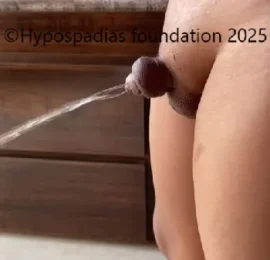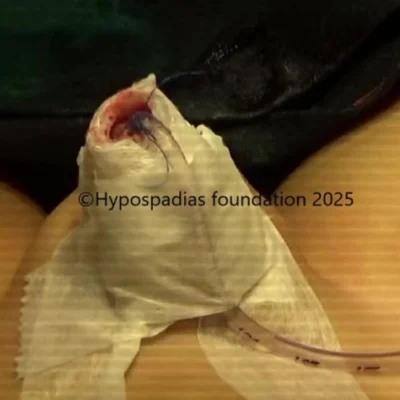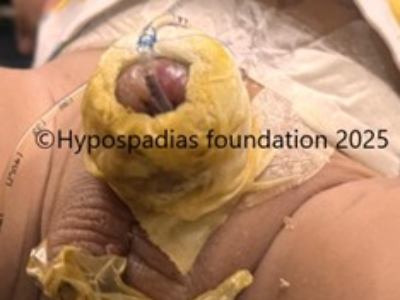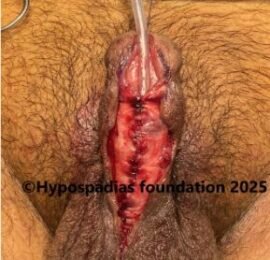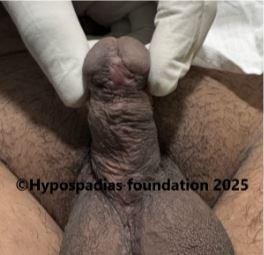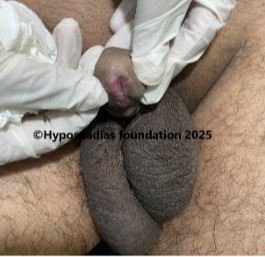
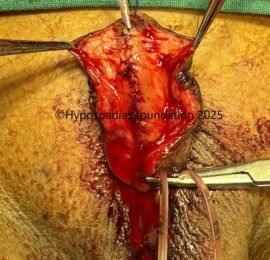
Can boys with hypospadias have kids?

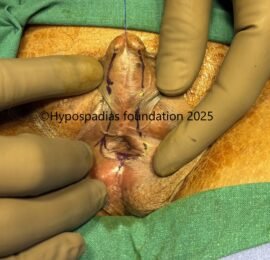
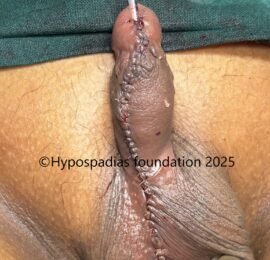
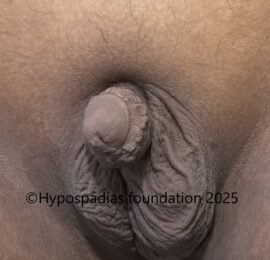
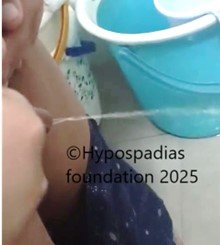
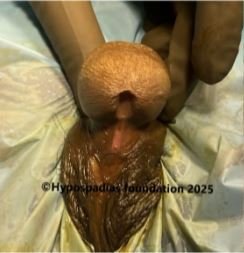
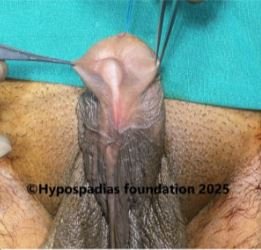
Hypospadias is a congenital condition where the opening of the urethra (where urine and semen exit) is not at the tip of the penis but somewhere along the underside of the penis. The location of the opening can vary from a mild one (near the tip) to a severe one (at the base of the scrotum). Nearly 70% of all hypospadias also have an associated penile curvature where the penis bends downwards, known as chordee. Hypospadias repair surgery is typically performed between 6-18 months of age. A successful hypospadias surgery aims to reposition the urethral opening to the tip of the penis, straighten the penile curvature and align the skin to give a final circumcision type of cosmetic outcome.

When it comes to fertility in men, penis and testis play a crucial role. Here is a detailed information on how hypospadias can have an impact on fertility:

1. Production of semen:

In isolated cases of hypospadias with normal testes, the sperm production is not impacted, and fertility is normal. But upto 10% of patients with hypospadias may have associated undescended testis, and this association is mostly present in severe hypospadias. Testis is the core organ for male fertility. It produces sperms and male sex hormone called as testosterone. Testosterone is essential for development of penile growth. Both sperm production and testosterone production will be impacted if the testis is not functioning fully. Hence if the person has both hypospadias and undescended testis, there may be an impact on fertility, especially if there was undescended testis on both sides. In these cases, where we have both hypospadias and undescended testis, we need to investigate for DSD (Disorder of sex development) which is seen in 15% of such cases.

2. Presence of penile curvature:

While mild chordee may not impair sexual activity, presence of chordee more than 30 degree can make sexual activity difficult and painful. Hence straightening of the penis (chordee correction) is a very crucial step in hypospadias repair.

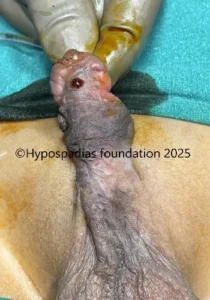
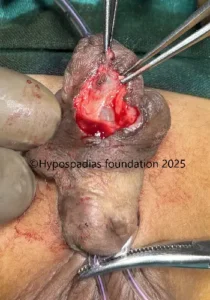
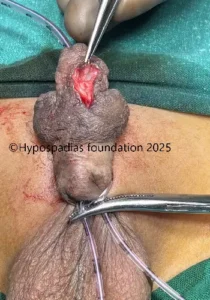
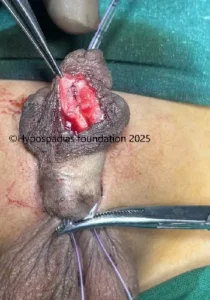
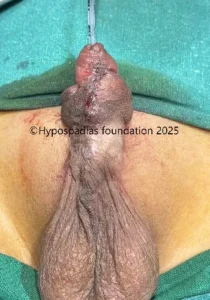
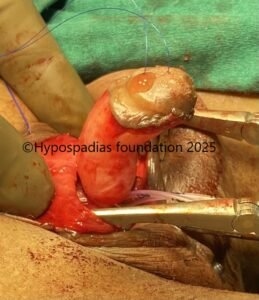
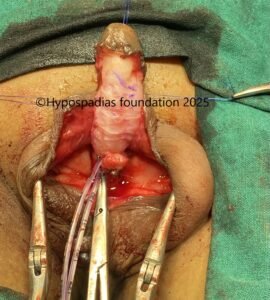
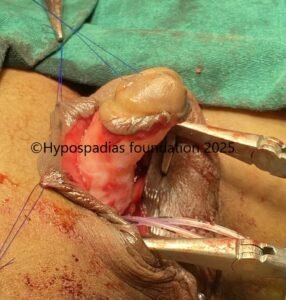
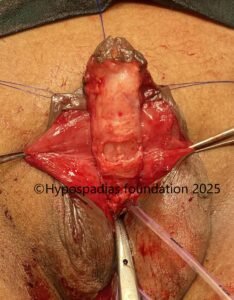
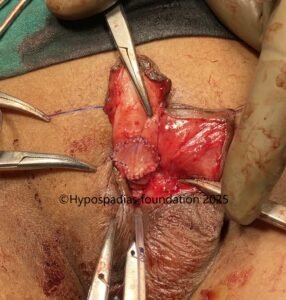
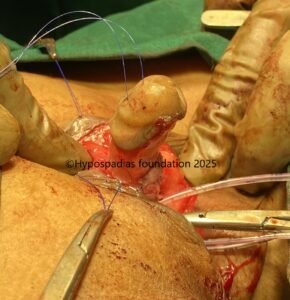
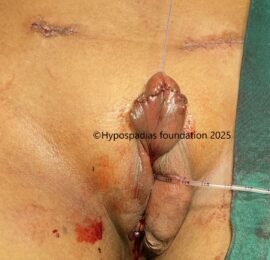
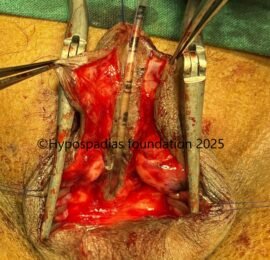
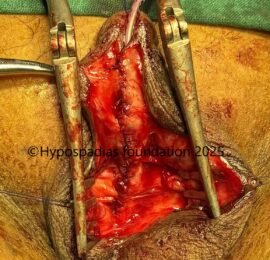
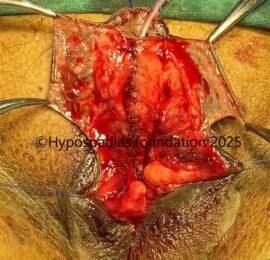
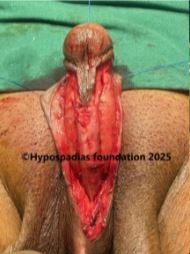
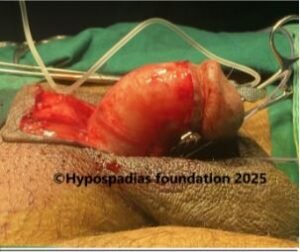
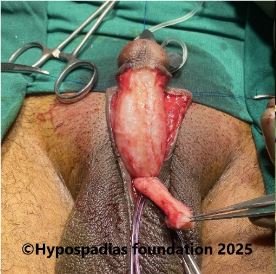
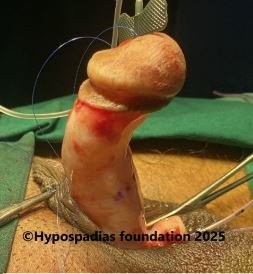
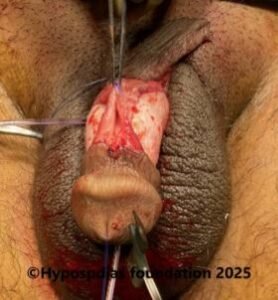
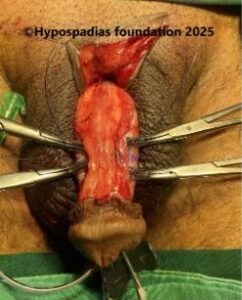
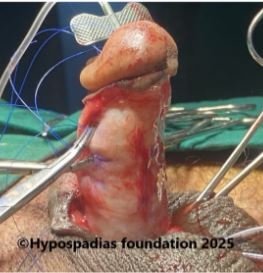
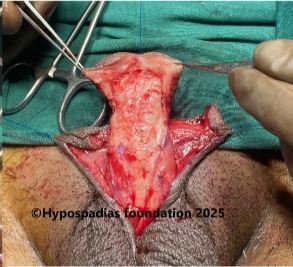
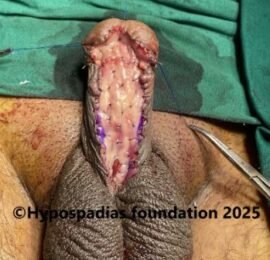
Chordee assessed by artificial erection test and less than 30-degree chordee noted, corrected by 12’o clock dorsal tunica albuginea plication (TAP)

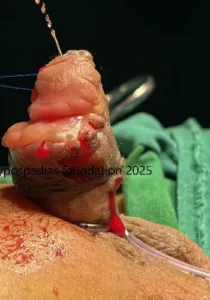
Chordee more than 30-degree, corrected by urethral plate division, proximal urethral mobilization and 12’o clock dorsal tunica albuginea plication (TAP)

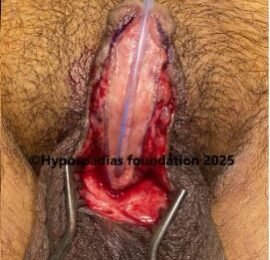
Chordee noted to be more than 60-degrees, corrected by urethral plate division, proximal urethral mobilization, three ventral corporotomies and 12’o clock dorsal tunica albuginea plication (TAP)

Severe chordee with ventral curvature of more than 90 degrees, corrected by urethral plate division, proximal urethral mobilization, three ventral corporotomies and ventral lengthening procedure – dermal graft.

3. Problems with ejaculation in hypospadias:

In uncorrected hypospadias with urinary opening located far below on the shaft of the penis or near the scrotum, the sperm may not deposit correctly in the vagina. Also, if the hypospadias repair has not healed properly leading to a narrow urethra (stricture urethra) or loose and bulged out urethra (severe urethral diverticulum), the semen may not ejaculate with good force. Failure of semen to reach the vagina is the cause of infertility in these cases. Hypospadias repair is essential in these patients to bring the opening to the tip of the penis and reconstruct the narrow or bulged part to allow for proper ejaculation.

4. Psychological impact:

Uncorrected Hypospadias or failed hypospadias can have psychological impact on individuals affecting their quality of life, self-esteem, social interactions when transitioning from childhood into adulthood. Adults who had hypospadias repair in childhood have reported being more timid and more isolated in childhood. In spite of successful hypospadias repair, some individuals may feel that their genitalia look different from others, leading to feeling of inadequacy and shame. This can make relationships with the opposite gender difficult and hence may be an indirect cause of infertility. Hence our advice to parents of children with hypospadias is that they should provide information about hypospadias and disclose it to their child so that they know why their penis will look different from others. This disclosure is best done during puberty between 12-15 years of age because the boys will understand the situation better at this age. Often parents bring the boys around puberty to our hypospadias centre and then we also discuss and provide full information to the boys in front of their parents. Once they are aware, accepting the situation will help them gain confidence and develop in their sexuality and also prevent any negative feelings of inadequacy.

Key message for parents

If your child has isolated hypospadias then post successful hypospadias surgery by an expert hypospadias surgeon, most likely he will not suffer from infertility in adulthood. Hence early identification, timely surgical intervention is necessary to treat the physical challenges which could impede fertility. After a successful hypospadias surgery, the ability to perform intercourse and have a normal ejaculation will significantly improve the ability to have a child.

Even after a successful hypospadias repair if an adult has difficulty conceiving, then he needs to consult a hypospadias surgeon to make sure that the previously reconstructed urethra is normal followed by a fertility specialist for further evaluation to rule out other causes of infertility. With modern surgical techniques and medical care, even a boy with severe hypospadias can lead a normal adult life and have children.

About Hypospadias Foundation

Hypospadias foundation is a specialized centre in India dedicated to the care and treatment of children and adults with hypospadias and related conditions. It is located in Kharghar, Navi Mumbai, Maharashtra. The foundation’s sole focus on a single condition hypospadias allows them to develop specialized techniques and protocols aimed at achieving the best possible outcomes for their patients. Their success rate for hypospadias correction surgery is more than 95% making them one of the top centres in the world for hypospadias repair.

Dr A.K. Singal is a highly respected and experienced Pediatric urologist and hypospadias specialist in India. He is widely recognized for his expertise in surgical treatment of hypospadias and considered as the best hypospadias surgeon in India and the world. He has developed innovative surgical techniques and treatment algorithms particularly for complex and failed cases, with strong emphasis on achieving successful functional and cosmetic outcomes.

Dr Shenoy specializes in pediatric urology and hypospadias providing advanced surgical techniques for both primary and failed hypospadias repair in children and adults. Their combined experience and shared focus on a single, complex condition contribute to the foundation’s high success rate.
Contact Form for Hypospadias Foundation

Please fill all clinical details and upload pictures and clinical summaries (if available)

    Attach Documents (pdf | jpeg | mp4)
    (upload size upto 5mb)

    A closer look at severe chordee correction in an adult by 24 dot plication

    25-year-old adult presented to the Hypospadias Foundation OPD with complaints of severe curvature of the penis. There were no urinary complaints. He also that the curvature has worsened over time. On examination, there was severe ventral curvature (downward bending) of the penis. Meatus was located on the glans and was normal in location. No plaques were felt on palpation. Ultrasound doppler of the penis was done which was normal. He was counselled for surgery. Surgery was planned in single or two stage depending on the degree of curvature and the ventral urethral calibre. 

    c42img1

    Picture 1: Severe curvature of the penis noted on erection

    Picture 2: Pre-operative assessment showed normal location of the meatus. Second image shows marking for degloving

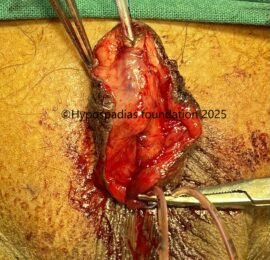
    Surgery was started by taking a stay stitch on the glans with 4-0 prolene. Marking of the incision was done and local anaesthesia lignocaine with adrenaline was injected at the marked site. Complete degloving was done. Chordee was assessed by artificial erection test and more than 60-degree chordee was noted. Since the penile length was good and urethra was not appearing short or taut, we decided to proceed with dorsal plication procedure to correct the chordee.  

    Buck’s fascia along with neurovascular bundle was raised on the dorsal side starting laterally and upto the midline. Chordee was reassessed and exact site of curvature was marked. 24 dots(12 dots on either side) were marked. 4 dots proximal and 8 dots distal to the site of maximum curvature. Longitudinal plication sutures were placed at these sites with 4-0 prolene involving full thickness tunica albuginea. Chordee was reassessed and there was no chordee. Chordee was completely corrected by these plication sutures. Buck’s fascia was closed on either side with 6-0 PDS. Circumcision was completed and skin rearranged and closed in 2 layers with 6-0 PDS and 5-0 vicryl rapide. 12Fr silicone catheter was placed per urethra and dressing was done. Catheter was removed after 7 days. Follow up at 6 months after surgery, there was no chordee and the erection was straight. 

    case42img4

    Picture 3: Complete degloving done and artificial erection test done which showed more than 60-degree chordee.

    Picture 4: Neurovascular bundle raised on both sides upto the midline. Marking done, plications sutures placed, held and artificial erection test done. No chordee noted

    Picture 5: 24 dot plication completed and circumcision done

    c42img10 (1)

    Picture 6: Penile  erection straight 6 months after surgery

    c42img11

    Picture 7: Cosmetic result 6 months after surgery

    Severe ventral chordee in adults: Diagnosis and management

    Chordee is characterized by curvature of the penis which is noticeable only during penile erection. This is congenital (present at birth) but can be missed in childhood and can present with challenges in adulthood potentially causing discomfort, affecting sexual function and can also have psychological implications impacting self-esteem.

    In chordee, there is noticeable bend in the penis during an erection which can be downward, upward or sideways. It can cause pain or discomfort during erection or sexual intercourse. Surgical correction is the only effective method of chordee correction in adults. The goal of the surgery is to straighten the penis and restore normal function. Chordee correction can be done by dorsal plication or ventral lengthening procedure. Ventral lengthening procedure is done if there is short urethra which contributes to the penile curvature. If the urethra is normal with good penile length, then dorsal plications are preferred. 

    In the above-mentioned case, the penile length was good, and the urethra was normal hence we proceeded with dorsal plication. In this procedure multiple (16 or 24) non absorbable fine sutures are strategically placed on the convex side of the penis. These sutures are placed in pairs and in parallel fashion to create plications in the tunica albuginea. Neurovascular bundles are carefully raised before placing the plication sutures. 

    Important note for adult chordee

    It is essential for adults considering chordee correction to have a thorough evaluation by a hypospadias specialist who specialized in penile reconstructive surgery. The surgeon will assess the type and degree of curvature, discuss the case and recommend the most appropriate surgical technique whether plication or a staged procedure. 

    At hypospadias foundation, we get adults and children from all over the world in search of treatment for hypospadias. We provide support and information for children, adults and their families affected by hypospadias. Dr Singal and Dr Shenoy are deeply devoted to creating awareness and helping patients get the right treatment for hypospadias be it primary, redo or adult hypospadias. Children and adults from more than 25 countries visit our hypospadias foundation in search for cure and are cured of hypospadias. 

    Dr A K Singal is a highly experienced surgeon and regarded as the best hypospadias surgeon in India and in the world. He has dedicated his life towards treating children and adults with hypospadias. His expertise in this area has helped us achieve excellent outcomes in adults and children with hypospadias.

    Dr Ashwitha Shenoy is an expert pediatric surgeon with special interest in pediatric urology and hypospadias. Both Dr Singal and Dr Shenoy work together to give

    Treatment of Urethral Fistula After Hypospadias Repair

    Hypospadias is a common congenital condition in which the urethral opening is located on the underside of the penis rather than at the tip. Surgical repair is required to correct this and to restore both function and appearance of the penis. One of the most frequent complications following hypospadias repair is the development of a urethral fistula which is an abnormal channel that forms between the urethra and the overlying skin after surgery, resulting in leakage of urine. So, there is urine coming from 2-3 places instead of from the tip. In the hands of an expert hypospadias surgeon, the incidence of urethral fistula should be less than 5%.

    fistula1
    fistula2

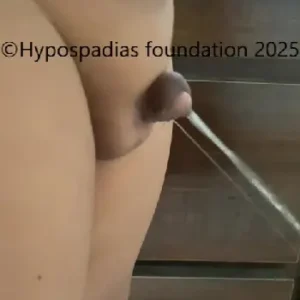
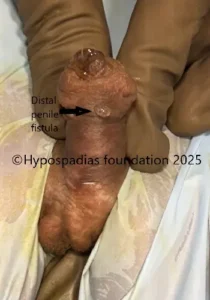
    Picture showing multiple fistula in the distal penile region and urine video showing stream from the meatus and from the fistula site

    Why Do Urethral Fistula Form After Hypospadias Repair Surgery

    The most common cause of urethral fistula post hypospadias repair surgery is tight urethroplasty or tension on the stitches. The other common causes are creation of a narrow urethra, poor vascularity of tissues or infection. Fistulas can occur anywhere along the neourethra but are most common at the site of maximal tension or poor tissue quality. In distal hypospadias most common site of fistula formation is coronal region (just below the head of penis) while in proximal hypospadias repairs- the common sites are at start of urethroplasty, penoscrotal region or the coronal region. A urethral fistula commonly presents as persistent dribbling or leakage of urine from the fistula site after surgery. Symptoms usually present within a few weeks to months after surgery.

    Diagnosis

    The diagnosis of urethral fistula is typically clinical, based on observation of urine leakage from the repaired site. Documentation of the urine stream is important in fistula after hypospadias repair to rule out presence of stricture or diverticulum in the urethra beyond the site of fistula. The number of leaks also has to be documented before planning the surgical repair. Sometimes, we also place a urethral catheter to check the calibre of urethra beyond the fistula.

    Timing of Fistula Repair

    It is standard practice to wait at least 6 months after the initial repair before attempting urethral fistula closure surgery, as this allows inflammation to subside, tissues to soften, and vascularity to improve. Also, small fistulas may close spontaneously hence it’s recommended to wait for atleast 6 months before planning anything.

    Surgical Principles for Successful Urethral Fistula Repair

    The goal of surgery is to close the urethral fistula and restore the integrity of the neourethra while minimizing the risk of recurrence. Key steps include:

    • Fistula tract excision: The tract is identified, excised, and the edges are refreshed to healthy tissue.
    • Layered closure without tension: Multi-layered closure is crucial, typically involving the urethral mucosa, spongiosum (if available), dartos fascia, local tissues and skin. A hypospadias surgeon must make sure that the layers are not under any tension.
    • Use of vascularized tissue: An intervening vascularized tissue flap (such as dartos fascia or tunica vaginalis in proximal fistula) is often placed between the urethra and skin to prevent recurrence.
    • Fine absorbable sutures: Used to minimize tissue reaction and foreign body response.
    • Catheterization: A urethral catheter is left in place for 7-10 days postoperatively todivert urine and protect the repair.

    Techniques for Urethral Fistula Repair Surgery

    Urethral Fistula closure can be performed in various ways.

    • Simple closure: Reserved for small, well-defined fistulas with healthy surrounding tissue. Remember in these repairs also a layered closure with well vascularised tissues is important. One can utilize dartos or tunica vaginalis flap for additional coverage and vascular support.
    • V-Y Flap Repair: In large fistulae, we often use a skin advancement flap from surrounding skin to provide non-overlapping suture lines. The flap can be laterally based or proximally based.
    • Complex repairs: For large or recurrent fistulas, entire urethral reconstruction may be required which is done using local flaps or oral mucosa graft. Staged repair may be required in fistula cases with unhealthy urethra beyond the site of fistula.

    Postoperative Care

    Meticulous postoperative care is pivotal to ensure successful healing:

    • Maintain catheter patency, monitor for obstruction or kinking.
    • Keep the surgical site clean and dry. Gentle wound care as instructed by the surgical team.
    • Monitor for signs of infection: swelling, redness, discharge, or fever.
    • Avoid strenuous activity, straining or pressure on the site until fully healed.
    • Follow up as recommended with your surgical team for wound checks and early detection of complications.

    Prevention of Urethral Fistula Formation

    Preventing fistula formation is an important aspect of hypospadias surgery

    • Use of meticulous surgical technique with tension-free, multi-layered closure.
    • Ensuring well-vascularized tissue coverage over the neourethra.
    • Surgical site care and managing infection if any in the post operative period
    • Make sure the passage beyond the fistula site is not narrow and of adequate calibre
    • The meatus should be checked and if found to be narrow, meatotomy should be performed.

    Prognosis and Outcomes

    With appropriate timing and technique, most urethral fistulas can be successfully repaired. Prognosis depends on several factors:

    • Location of the fistula site: Fistula far away from the coronal region can be repaired by simple closure.
    • Tissue quality: Healthy, non-scarred tissue improves the likelihood of long-term closure.
    • Number of previous repairs: Each additional surgery slightly reduces the success rate due to increasing tissue scarring and reduced vascularity.
    • Surgeon’s experience: Experienced pediatric urologists have higher success rates for complex repairs.

    Conclusion

    Urethral fistula is the most common complication after hypospadias repair, but with proper diagnosis, patient selection, and surgical technique, most cases can be effectively managed. Families and patients should be reassured that while the development of a fistula is distressing, it can often be successfully treated, and most children go on to have normal urinary and functional outcomes. If you suspect a urethral fistula or have concerns about post-hypospadias surgery care, it is important to consult a pediatric urologist or specialized hypospadias surgery team for
    individualized assessment and management.

    About Hypospadias Foundation

    Hypospadias foundation is a centre located in Kharghar, Navi Mumbai, Maharashtra, India with best surgeons having expertise in hypospadias repair in children and adults. We regularly manage both primary hypospadias repairs and complex cases including those with previous multiple failed repairs. A significant focus of our patient base consists of children and adults who have had failed hypospadias surgeries elsewhere, including persistent fistulas. Our approach involves not just good surgical technique but also diligent pre-operative assessment, focussed post-surgery care and critical decision making for good long-term outcomes.
    Dr A.K. Singal is the founder and head of hypospadias foundation, India. He is considered the best hypospadias surgeon in India and the world and has successfully treated thousands of children and adults with hypospadias with excellent results.

    Dr Ashwitha Shenoy is an expert hypospadias surgeon with special interest in the field of hypospadias and pediatric urology. Both Dr Singal and Dr Shenoy strive to achieve excellent outcomes in adults and children with hypospadias. Our success rate at hypospadias foundation for all types of repairs including complex and failed repairs are more than 95%.

    Contact Form for Hypospadias Foundation

    Please fill all clinical details and upload pictures and clinical summaries (if available)

      Attach Documents (pdf | jpeg | mp4)
      (upload size upto 5mb)

      Two stage repair of deceptive distal penile hypospadias with hypoplastic urethra and severe chordee

      6-year male from Kerala presented to the Hypospadias Foundation clinic with complaints of passing urine from distal penile region associated with downward curvature of the penis (chordee). On examination, meatus was in distal penile region, but the urethra was thin till the proximal penile region. The stretched penile length (SPL) was 40mm and glans diameter (GD) was 12.5mm. In view of small glans diameter, he received two doses of injection testosterone in the pre surgery period which were given 1 month apart. Following the two doses, the stretched penile length improved to 35mm and glans diameter to 15mm.

      He was planned for hypospadias repair and the family was counselled for single or two stage repair based on the degree of chordee.

      The surgery was started by complete degloving which means the penile skin was completely taken down preserving its blood supply. After degloving, the chordee was assessed by artificial erection test. Here in this case after complete degloving, artificial erection test showed chordee of more than 45 degrees. This was because of the hypoplastic (underdeveloped) tissues on the underside of the penis. We decided to divide the urethral plate and mobilise the urethra. Spongiosum was raised on the sides first, urethral plate divided at coronal level and urethra mobilised till penoscrotal junction to fully evaluate the chordee. Chordee was reassessed and there was persistent chordee of more than 45 degrees. Site of maximum curvature was marked on the ventral side (underside of the penis) and three corporotomies were made by placing horizontal incisions over the tunica with middle incision at the site of maximum curvature. Chordee was reassessed and there was still significant chordee necessitating a ventral penile lengthening procedure called as dermal graft. The central corporotomy incision was deepened to full divide tunica and then cavernosal tissue was mobilised from tunica on all sides. A skin ellipse was harvested from the inguinal region, de-epithelized, and defatted to create a dermal graft. This dermal graft was sutured at the site of tunical defect with 6-0 PDS interrupted sutures. An artificial erection test following dermal graft revealed no chordee.

      Once the chordee was corrected, the proximal urethra was sutured in the proximal penile region with 6-0 PDS. Glans wings were raised. Byars flap was created. Byars flap involves division of the dorsal prepuce in the midline and then rotation to the underside of the penis to cover the whole underside of the penis from glans till all around the meatus.

      41img1
      41img2

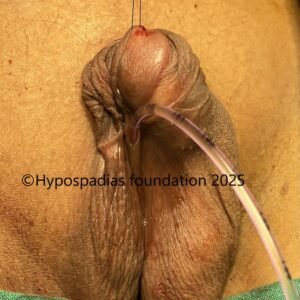
      Picture 1: On clinical examination, the meatus was in the distal penile region with thin urethra till the proximal penile region. Surgery was started by complete degloving

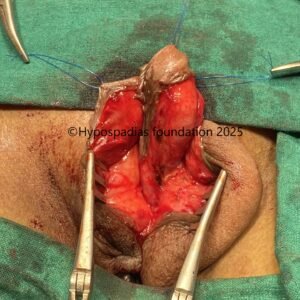
      Picture 2: Artificial erection test showed chordee of more than 45 degrees

      41img5

      Picture 3: Urethral plate divided, mobilised and chordee reassessed. More than 45 degrees chordee noted

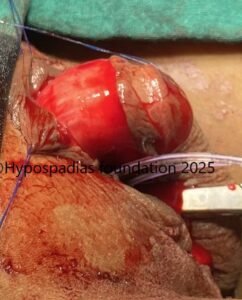
      Picture 4: Three ventral corporotomies given and chordee reassessed, persistent chordee of more than 30 degrees noted, hence planned to go ahead with ventral lengthening procedure

      Picture 5: Deep corporotomy given at the site of maximum curvature and tunica incised, dermal graft harvested from the right inguinal region

      41img10
      41img11

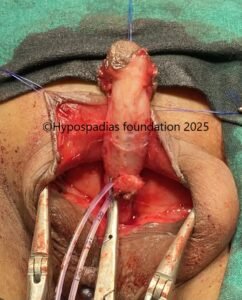
      Picture 6: Dermal graft sutured at the site of tunical defect. No chordee noted after dermal graft.

      41img12

      Picture 7: Dorsal prepuce (foreskin) divided in the midline and flaps rotated to cover the underside of the penis

      Second stage of Hypospadias Repair:

      After 6 months of first hypospadias surgery, the child was taken up for second stage urethroplasty. We checked chordee again before starting the urethroplasty (urethral reconstruction) and the penis was completely straight. The prepucial flaps which were done in first stage had healed very well. The flaps were wide and supple. 15mm wide incision was marked on the flaps and, local anaesthesia was infiltrated at the marked site and incisions were deepened till the corpora. Urethroplasty was done over 7Fr Infant feeding tube in two layers with 6-0 PDS absorbable sutures. Dartos flap was harvested from both sides and sutured over the entire urethroplasty. Glans wings were raised. Distal urethroplasty and glansplasty was done, and a new meatus was created on the glans. The dressing in the post operative period was changed on post operative day 7 and catheter was removed on post operative day 12. Child was passing urine through the new opening in a good stream.

      41img13
      41img14

      Picture 8: Prepucial flaps 6 months after stage 1 were healed very well. Flaps were wide and supple. Artificial erection test done before urethroplasty done showed no residual chordee

      41img15
      41img16

      Picture 9: 15mm wide flaps marked and incised.

      41img17

      Picture 10: Urethroplasty done over 7Fr Infant feeding tube, dartos flap raised and sutured over the urethroplasty and glansplasty done

      41img18
      41img19

      Picture 11: Completion of urethroplasty and follow-up at post operative day 12

      41img20

      Picture 12: Urine stream following catheter removal

      Distal penile hypospadias with severe chordee (Deceptive hypospadias)

      In some cases of hypospadias, the urethral opening is not only in an abnormal location but also the urethra can be underdeveloped or hypoplastic. Hypoplastic urethra is characterized by thin, underdeveloped, paperlike quality of urethral plate and the existing distal urethra. While the meatal opening may be near the tip, the presence of a hypoplastic or underdeveloped urethra indicates a more complex form of hypospadias, even if the urethral meatus appears relatively distal. This is often associated with chordee which contributes to the overall complexity of the hypospadias.

      The hypospadias repair in hypoplastic urethra is more challenging. This thin urethra does not have enough robust tissue to create a new functional urethra. Using this thin urethra in reconstruction can lead to complications such as fistula formation, stricture, diverticulum formation or dehiscence.

      The surgical management in hypoplastic urethra often requires specialized techniques. Degloving in these cases must be done carefully because of higher chance of injury to the urethra due to its paper-thin consistency. The type of surgical repair in cases with hypoplastic urethra is decided based on the degree of chordee. If the chordee is not significant and if single stage repair is planned, then either the thin urethra must be laid open before staring the urethral reconstruction or spongiosa around the thin urethra has to be mobilized and sutured over the thin urethra which is called as Spongioplasty.

      For severe cases, like in the above-mentioned case with significant chordee and extensive hypoplastic urethra, two stage repair may be necessary. In the first stage, the penis is straightened and prepucial flaps are created. In the second stage which is 6 months after stage 1, the flaps are tubularized to form the new urethra.

      Long term follow in cases of hypoplastic urethra is necessary because complications like stricture can develop years after hypospadias repair surgery. Hence these complex cases of hypoplastic urethra with hypospadias should be performed by an experienced hypospadias surgeon.

      At hypospadias foundation, we have operated many cases of hypospadias with hypoplastic urethra. Each case is thoroughly examined in the preoperative period, carefully degloved during the surgery, meticulously assessed and hypospadias repair is done considering factors such as degree of chordee, severity of hypoplasia and quality of urethral plate. This has helped us achieve success rate of more than 95% even in the most complex cases.

      The team at Hypospadias Foundation has two experienced hypospadias surgeons. Dr A.K Singal is considered the best hypospadias surgeon in India and the world and has a special expertise in managing complex hypospadias cases. His profound anatomical knowledge, meticulous surgical skill and an unwavering commitment to restoring both form and function in hypospadias has transformed various lives.

      Dr Ashwitha Shenoy is an expert hypospadias surgeon who along with Dr Singal has dedicated her life to treating children and adults with hypospadias. Their dedication extends beyond the operating room, offering compassionate guidance and hope to families navigating a challenging diagnosis.

      Contact Us

      Call Now