
Excellent results of Hypospadias repair surgery – TIP urethroplasty (Snodgrass Repair) for distal penile hypospadias

Hypospadias is one of the most common malformations in boys and affects more than 1 lakh kids in India. At Hypospadias foundation and MITR Hospital, Kharghar, Navi Mumbai, India – we see and manage more than 200 kids every year who have hypospadias and need surgery. These cases are either primary (75%) or those have failed surgery elsewhere (25%)- some of them have failed multiple surgeries elsewhere.

We strongly believe that hypospadias surgical correction should not be taken lightly or casually by any surgeons as first hypospadias surgery is the best chance which the child has. Once the first hypospadias surgery has a complication, more surgeries are needed and still the result may not be optimal. Hence, the surgeon needs to be well trained for hypospadias repair procedure and should have a very keen and passionate interest before he takes up any child up for surgery for hypospadias.

Amongst the various techniques for hypospadias surgery, one of the most popular one is Tubularised Incised Plate (TIP) urethroplasty. TIP repair was first described by Prof Warren Snodgrass and it currently constitutes 70% of all distal and midpenile hypospadias repairs across the world. Due to its universal adoption and remarkable results, it is also known as Snodgrass repair. I had the good fortune of assisting Dr Warren Snodgrass during his multiple visits to India when I was a resident in pediatric surgery at All India Institute of Medical Sciences. I keep bumping him into now and then at pediatric urology conferences, the last one of which was European Society of Pediatric urology Congress in Genoa Italy. We received the best paper award at the conference and it was nice to see Dr Warren Snodgrass applauding us.

While TIP repair or Snodgrass urethroplasty has excellent results, case selection before surgery is very important. The criteria are:

  1. Distal or midpenile hypospadias
  2. Mild to moderate chordee which is correctable
  3. Wide pink elastic urethral plate.

In certain selected proximal hypospadias, Snodgrass repair can be used but on a personal level- a long Snodgrass repair may not be the best option in most cases. We have started using Onlay Island flap repair in most of our proximal hypospadias and all distal/ mid penile hypospadias which are unsuitable for TIP Urethroplasty.

Steps of surgery:

  1. Degloving the penis and chordee correction – straightening of the curvature of the penis
  2. Midline urethral plate incision
  3. Neo-urethra formation on a catheter
  4. Second layer coverage with either a dartos flap or spongiosum
  5. Penile skin cover with Byars flap which helps in creating a midline closure on underside of penis. After the healing is finished, penis looks like just a circumcised penis. In some selected cases Prepucial reconstruction can be offered.

You can watch the video of a Snodgrass Urethroplasty for a distal penile hypospadias here.

In my experience as an expert hypospadias surgeon, while doing TIP urethroplasty everything has to be done meticulously to prevent complications. If I have to narrow down on two things which have really lessened the complications of hypospadias repair with Snodgrass urethroplasty at our centre are:

  • Fashioning a wide caliber neo-meatus- so that there is no narrowing later on
  • Providing a second layer cover on new urethra with either spongiosum or a dartos flap.

Master Soham’s parents stay in Latur, Maharashtra and their son was diagnosed to have a distal penile hypospadias at birth. Worried about multiple surgeries and poor outcomes for hypospadias repair- They searched for the best hypospadias surgeon on the internet and landed up in our pediatric urology clinic at MITR Hospital in Kharghar, Navi Mumbai. We did the surgery using a Snodgrass repair technique in First week of May 2014. The surgery went well and child was discharged the evening of surgery. The dressing and catheter were removed 5 days after surgery and now one month after followup the child has an excellent outcome after hypospadias repair surgery. The cosmetic appearance is excellent with a meatus at the tip of penis, straight penis and just a circumcised appearance.
Good cosmetic outcome after single stage hypospadias repair surgery

Parents are also happy and overjoyed.
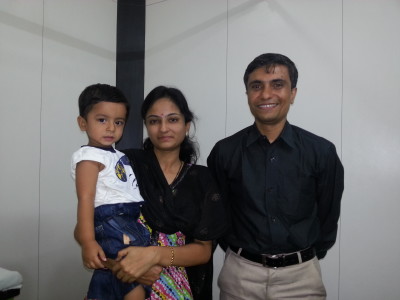
Happy parents – after successful hypospadias repair surgery

If you wish to consult Dr Singal you can fill up this contact form here:

http://hypospadiasfoundation.com/contact-patient.htm

Or call up Dr Rajkumar at +91-9821261448 to discuss anything

Contact Form for Hypospadias Foundation

Please fill all clinical details and upload pictures and clinical summaries (if available)
    Attach Documents (pdf | jpeg | mp4)
    (upload size upto 5mb)

    Checklist before Hypospadias Repair Surgery

    Hypospadias Foundation starts Clinic for Hypospadias Treatment & Surgery in Bahrain

    Hypospadias is a birth defect which affects a vital organ of the body- Penis. Penis is the most important organ for urinary and sexual function in a male. Though everyone worries more about sexual function, let me tell you as an expert hypospadias surgeon and a pediatric urologist that both urinary and sexual functions are equally important. While we may need penis for sexual function may be once or twice a day and for maybe for 30-40 years in our lives, we certainly need it for urinary function right from birth till we die and many more times each day. Hence the purpose of hypospadias repair is to set both the functions right in one go- single stage urethroplasty. This includes correction of the curvature of the penis (chordee correction) as well as making a good caliber smooth new urethra till the tip of penis.

    But all said and done – Hypospadias treatment means a surgery. Surgery word itself is very scary and it requires a lot of courage and faith for the parents to handover their little one to a surgeon and let me tell you it is not easy for parents to hand over their young kid for a surgery. Lot of things go around in their minds about risks, results and safety of both surgery and anesthesia. Having been a pediatric urologist for almost a decade now, I can feel their helplessness and pain. I never let these feelings overpower me and become a stumbling block to delivering good care. I try to channelize them in the right way and empathize with the family and tell them upfront that I know how they are feeling. And then I tell them what all safety precautions and risk mitigation strategies we have lined up for the hypospadias surgery. My favorite sentence at this juncture is “Safety first everything else later”.

    An helmet/ bike analogy works well in this situation: we should always follow all precautions before we go for a bike ride and most importantly wearing a helmet. We may wear a helmet a thousand times and not have an accident but the day we don’t wear it that is the day when we are vulnerable and if something happens- it will be life threatening. Similarly, while doing a hypospadias surgery on a small kid we also take all precautions to make sure that we are absolutely prepared even if something happens in that rare 1/1000 chances.

    Hypospadias Surgery Checklist:

    1. Pre-operative fitness tests: A thorough history is taken for any evidence of infection, other illness and any familial disorders. A complete blood count and a urine test is done to check for body parameters. A pediatrician consult is often taken for a systemic examination. Chest xray is no longer recommended routinely before elective surgery if the chest examination is normal.
    2. Pediatric Anesthesiologist: An anesthesia doctor adept at handling kids and regularly giving anesthesia to small kids is the second most important team member after the pediatric urologist.
    3. Hypospadias surgery set: Hypospadias repair surgery require fine, sharp and specialized microsurgery instruments- we keep is separately as a “Hypospadias Set” which is not used for any other surgery.
    4. Operation theatre: OT needs to be clean, sterilized, have all safety equipment for anesthesia, good lighting and all possible infection control measures.
    5. Antibiotic dose just before surgery: We give a dose of injectable broad spectrum antibiotic just before starting the surgery as an infection prevention measure.
    6. Trained staff: Well-trained nursing and junior doctor staff is needed both while assisting surgeries as well as post-operative management, since at Hypospadias foundation at MITR Hospital, Navi Mumbai, India- we do more than 150 hypospadias repairs every year- even the ward assistants know the care of these babies after surgery.
    7. Standardised protocol of surgery:  This has been covered in another blog- read it here.

    As a Pediatric Urologist and Hypospadias Specialist, I feel overwhelmed when parents trust me and handover their little ones under my care. It is a big responsibility and I try my best to handle them with care. Trust and faith that everything will be fine goes a long way in finding a cure for hypospadias. After all we are all instruments of god trying to do our best. As long as the intentions and efforts are honest, the results will also be good.

    About Dr A.K.Singal: Dr Singal is a renowned and top pediatric urologist & one of the best hypospadias surgeons in India. He is well known for single stage hypospadias surgical corrections. He operates children with hypospadias at his centre @ Hypospadias Foundation at Kharghar Navi Mumbai, at MGM & Fortis Hospitals in Vashi, at Fortis Hospital in Mulund, Mumbai and at Jupiter Hospital in Thane.

    Dr A.K.Singal during Hypospadias surgery

    Please feel free to write to us for an opinion at hypospadiasfoundationindia@gmail.com or fill this contact form http://hypospadiasfoundation.com/contact-patient.htm

    Watch videos on our Youtube Channel:

    https://www.youtube.com/watch?v=HGRDZGXlffY

    https://www.youtube.com/watch?v=M9_buN10lUE

    Complications after Hypospadias Repair Surgery in children

    Hypospadias repair surgery is a very delicate and demanding surgery. It tests the ingenuity of the hypospadias surgeon, surgery skills and most importantly experience. We have realized that hypospadias repair procedure is not a surgery which can be done casually or as one of the many surgeries which a surgeon does. Best results of hypospadias surgeries are seen only when the surgeon dedicates his time and energy in pursuing the art and science of hypospadiology. Results keep on improving day by day and year by year. With more than 600 hypospadias repairs done over last 5 years, Hypospadias Foundation at MITR Hospital, Navi Mumbai, India provides the best results in hypospadias surgeries in south East asia. Children have travelled from all over India and other countries such as Nigeria, Greece, Bangladesh, Iraq, UAE to get treated under Dr Singal’s care for hypospadias.

    To get the best outcome in hypospadias, it requires a big team effort which includes hypospadias surgeon, assistants, well trained OT staff and post-surgery caring staff.

    No surgery is free of complication and complications happen even in the best of hypospadias surgeon’s hands though they keep in decreasing with advancing experience. Whenever we see any child with hypospadias in our clinic, we make sure that we discuss in detail about the possibility of complications and the post hypospadias surgery outcomes. Some of these we discuss it further here:

    Immediate complications after hypospadias repair:

    1. Bleeding – Penis is a very vascular organ with a lot of blood supply. Since hypospadias surgery involves lot of dissection of penis and making of various flaps, suturing them back in proper way is very vital in preventing this complication. The bleeding is usually minor and stops in 2-3 days. Earlier we used to apply heavy and tight dressings after hypospadias surgery but now we have realized that these actually delay healing as they compress the healing tissue. So presently the dressings which we use are very soft and light.
    2. Infection- After any surgery, the immunity of the body goes down plus there is raw area which invites growth of infection causing bacteria.  Fortunately, when we do hypospadias repair in children, infection is very rare and even if it occurs is usually superficial and resolves with antibiotics. Various preventive actions are taken before hypospadias repair such as very sterile techniques in operation theatre, broad spectrum antibiotic at start of surgery and 8 hours after surgery, oral antibiotics after surgery and careful handling post-surgery.

    Short term complications after hypospadias repair:

    1. Urethral Fistula: Fistula implies leakage of urine somewhere from the newly formed urethral tube below the tip of penis. This occurs because of improper healing resulting from poor blood supply, infection, tight stitches or just poor surgical technique. Sometimes the urethral fistula after hypospadias surgery may heal by itself but mostly it requires surgery which is recommended only after 6 months of first hypospadias surgery. Fistula occurrence depends on experience of the hypospadias surgeon, severity of hypospadias and technique.
    2. Meatal stenosis: This refers to a tight urinary opening after surgery of hypospadias. This can be seen even 2 weeks after surgery and may need regular calibration or minor cut back procedure called meatotomy in some cases.
    3. Diverticulum: This refers to formation of a baggy distended urethral tube and is visible during passage of urine. This may be seen after an onlay flap repair for hypospadias as the skin flap expands and balloons during passage of urine. With careful trimming of the flap during surgery, this has become much less common and occurs in less than 1% of cases after hypospadias surgery.
    4. Stricture: Sometimes during the healing phase, the new urethral tube may become narrow and cause obstruction to urine flow. This is noticed by poor stream, straining (application of force) during passage of urine and long time taken to pass urine. This may require further treatment in form of dilatation or a second surgery some months later.
    5. Dehiscence/ breakdown: Very rarely, the whole repair may breakdown due to poor healing, infection or loss of blood supply requiring more surgeries. This is very uncommon and unfortunate event necessitating a complete redo repair of the hypospadias.

    With the newer techniques of hypospadias repair and growing experience of hypospadias surgeons, the complications have become much less common after hypospadias surgery and even when they occur they can be managed well. It is well said that “the prepared mind never knows much trouble”. Once we know that complications can occur in any surgery and be prepared for them, it is much easier to initiate preventive action during surgery itself. Also, it is vital to identify complications earlier so that they can be managed well in time before any long term damage occurs.

    About the author:

    Dr A.K.Singal is a Pediatric urologist and is renowned as one of the best hypospadias surgeons in India for his dedication towards Hypospadias and excellent results of hypospadias surgery. He has been an invited speaker in various national and international medical conferences and workshops for hypospadias. He is also the founder of Hypospadias Foundation – an organization dedicated to best of care for children with hypospadias. Dr Singal practices art and science of hypospadias treatment in Mumbai and Navi Mumbai area of western India.

    Visit Hypospadias Channel https://www.youtube.com/user/pedurohypospadias

    Watch videos of Hypospadias surgery by Dr A.K.Singal

    https://www.youtube.com/watch?v=HGRDZGXlffY

    https://www.youtube.com/watch?v=M9_buN10lUE

    Contact Form for Hypospadias Foundation

    Please fill all clinical details and upload pictures and clinical summaries (if available)

      Attach Documents (pdf | jpeg | mp4)
      (upload size upto 5mb)

      Letter from Across the seas : Mother of twins shares Hypospadias Surgery guide for parents

      Letter from Across the Seas:

      Dear Dr Singal,

      Trust all is well with you. We are glad that we came all the way to India to you for our boys and are thankful to you for treating our boys with such care and in a single stage surgery for Hypospadias. As discussed, I have written the write up for the blog. These are basically my views, learnings and tips for other parents, especially the Hospitalization including pre-surgery and post hypospadias surgery course.

      Regards,

      S.P.

      Dubai

      THE WRITE-UP

      ———————–

      Dear Parent,

      As parents we all are concerned for our child(ren)’s wellbeing. We interact a lot with Pediatricians and Specialist Pediatrician from birth till their teens. From Vaccinations to Major surgery we ensure our child(ren) gets best of the treatment and care. Until both my twin boys were detected with Hypospadias, I was inexperienced and the entire journey from initial diagnose to surgery has taught me a lot.

      Here are some tips, learnings and guidance for parents

      Before the meeting the Doctor

      1.    Most cases of Hypospadias are detected at birth. The Pediatrician at birth may not be expert enough to guide further so it’s better to consult a Pediatric Urologist or expert hypospadias surgeon as soon as possible.

      2.    There is no benchmark for earlier consultation, but its better the visit to the Pediatric Urologist when the child is less than 6 months old.

      3.    If you are an outstation patient and are communicating with the doctor over emails ensure you share following info:

      • Baby’s Allergies and medications
      • Any special medication or condition
      • Any hospitalization and the reason

      Sometimes this information doesn’t affect the course of hypospadias surgery but its always safe to share as this helps the anesthesiologist for planning a safe anesthesia

      4.    If you have a limited timeframe for your visit than

      • Check if there are any further tests (like blood or urine tests) or investigations required before you meet the pediatric urologist
      • As required by the doctor, perform the tests and send the reports to doctor for further guidance. This can be done via email. Since I was traveling from Dubai, I did these tests as recommended by Dr Singal even before I landed up in Mumbai
      • Sometimes a certain blood count such a hemoglobin may be needed to be normal before hypospadias repair procedure is required to perform before surgery and if the count is not as preferred it may take month to reach the desired level.

      5.    Check for the travel plans of the doctor so that it doesn’t clash with your visit. Sometimes the doctor maybe traveling for vacation or for a conference.

      6.    Convey your travel plans to the doctor

      Once you meet the doctor, most of your doubts will be cleared in the initial meeting. A date for hypospadias surgery will be decided in the meeting. If you have questions or doubts regarding the hypospadias treatment procedure please ask the doctor, he will be happy to guide. Sometimes you may have doubts or questions post consultation check with the doctor if you can email for such doubts. The doctor may suggest hospitalization before the day of the surgery and also some additional tests whenever needed.

      My twin son’s both had hypospadias and we elected to have surgery for first kid on Monday and second one on Tuesday.

      When we reached the hospital we had some minor issues as it was Sunday and we were supposed to see the doctor on call in ER. Since they were already alerted for our visit the doctor on call was prepared with all the requirements. They were to do a blood test on one of my twin. To avoid double prick they decided to insert cannula for one of my boys. And then the hell broke. We had two crying babies (one due to prick and other seeing the first one) and there were hospital formalities to be fulfilled.

      Hospitalization

      1.    Before admission to the hospital

      • Reach hospital half an hour before the schedule time.
      • Insist – The Cannula And Blood Tests Be Done Only After The Kid Is Settled In The Room
      • Request for the allotment of room and fulfill all the formalities
      • Ask for hospital clothes for the baby
      • Change the baby in hospital clothes
      • Once the child is settled than ask doctor on call to the needful

      2.    Inform the hospital staff if your child is on a special diet and if they can provide.

      3.    Carry baby products – wipes, diapers, any special food or milk powder you may be giving, soft toys which soothes them

      4.    Carry you basic requirements for two days of hospitalization

      5.    Since the hypospadias operation will be done under anesthesia, check till when the child be given food/water/milk.

       After Care

      1.    Learn to change the baby double diaper. We were happy as with double diaper technique the babies were nicely tugged in and there was little fear of catheter dislodgement.

      2.    Learn the medications of the baby

      3.    Don’t discontinue medication unless the doctor advise

      4.    Follow up visits with the doctor

      The child will have discomfort and can be cranky due to operation the doctor will guide you. This is a normal phase after any surgery with children as penis is a sensitive organ and pain may be there for a first few days. But as one learned person said “ This too shall pass” It did pass for us. Now when we look back, the difficult days just went by in a jiffy. With the love and support of Dr A.K.Singal, junior doctors and nurses, we saw them through.

      My personal advice – Stay Calm and positive through the process.

      All the best

      Regards,

      An experienced Parent

      ——————————————————————-

      Please feel free to write to us for an opinion at hypospadiasfoundationindia@gmail.com or fill this contact form http://hypospadiasfoundation.com/contact-patient.htm

      Watch videos on our Youtube Channel:

      https://www.youtube.com/watch?v=HGRDZGXlffY

      https://www.youtube.com/watch?v=M9_buN10lUE

      Contact Form for Hypospadias Foundation

      Please fill all clinical details and upload pictures and clinical summaries (if available)

        Attach Documents (pdf | jpeg | mp4)
        (upload size upto 5mb)

        Contact Us

        Call Now